The allure of risk and reward
The fundamental allure of casino gambling lies in the thrilling interplay between risk and reward. Humans have an innate curiosity that draws them to uncertainty, a trait that has evolved over time as a survival mechanism. In the vibrant environment of a casino, the excitement of not knowing the outcome of a game creates an electrifying atmosphere that is difficult to resist. This thrill is often heightened by the prospect of winning substantial sums of money, which can be life-changing for many players, fostering a sense of hope and aspiration. Some enthusiasts also explore various betting sites australia that offer additional opportunities, enhancing the blend of anticipation and potential reward that fuels an addictive cycle, prompting individuals to gamble repeatedly in hopes of hitting it big.
Psychological research suggests that the brain’s response to gambling can mirror that of addiction to substances. The release of dopamine, a neurotransmitter associated with pleasure, occurs during wins or even in anticipation of a win. This biochemical reaction intertwines with emotional satisfaction, creating a cycle where the gambler continuously seeks that euphoric feeling. The architectural design of casinos, complete with bright lights, loud sounds, and celebratory environments, further enhances this experience, making it an irresistible environment for many individuals who are drawn to the thrill of the gamble. These sensory elements are meticulously crafted to create an immersive experience that keeps players engaged.
The concept of variable reward schedules significantly contributes to the allure of gambling. Unlike a fixed reward system, the unpredictability of winning makes the experience more enticing. Slot machines and other games of chance capitalize on this principle, offering players the chance to win big, even if such wins are sporadic. The psychology behind this unpredictability invokes a sense of excitement and hope, as players believe that a significant win may be just one spin or hand away. Understanding these psychological triggers can shed light on why some individuals find it challenging to leave the gaming floor, even in the face of accumulating losses, as the potential for a big win keeps them engaged and hopeful.
The social aspect of gambling
Casino gambling is far from a solitary pursuit; it encompasses a vibrant social dimension that can profoundly influence individual experiences. Many people engage in gambling activities within groups, sharing in the collective anticipation and excitement that accompanies gaming. This social interaction fosters a sense of community and belonging, fulfilling essential human needs. The camaraderie developed in such settings can reinforce gambling behaviors, as players encourage one another to continue playing, bolstered by the shared belief that luck may be just around the corner. Such social dynamics can create an environment where gambling becomes not just a game of chance but a shared experience filled with emotional highs and lows.
The casino environment is meticulously designed to promote social interaction, often featuring bars, lounges, and dining areas that create a communal atmosphere. Gamblers may find themselves engaging in conversations about their favorite games, sharing strategies, or simply enjoying the company of their peers while playing. This social endorsement can lead to extended gambling sessions, as the experience shifts from a focus on individual winnings to one of shared enjoyment and social bonding. The laughter and cheers from fellow players can amplify the thrill of the game, making it harder to walk away when the stakes are high and the atmosphere is electric.

However, the social dynamics at play can also have negative consequences. Peer pressure and the desire to conform can compel individuals to engage in gambling behaviors they might otherwise avoid. This can result in increased spending, as players feel obliged to keep up with their friends, regardless of their financial circumstances. The thrill of the game can become secondary to the need to fit in or be part of the group, leading to decisions that might not be in the players’ best interests. Recognizing these social influences is essential, particularly for those who gamble frequently or wish to gain deeper insights into their motivations and behaviors.
The role of cognitive biases
Cognitive biases significantly influence how individuals perceive gambling and make decisions while wagering. One such bias is the illusion of control, where gamblers mistakenly believe they can influence random outcomes. This belief often leads to superstitious behaviors, such as wearing lucky clothing or engaging in specific rituals before placing bets. While these actions may seem irrational, they provide a comforting sense of control that can be psychologically appealing, reinforcing a gambler’s desire to keep playing. This illusion can lead to a false confidence, where players believe their actions can sway the odds in their favor.
The gambler’s fallacy is another prevalent cognitive bias that affects decision-making in gambling contexts. This occurs when individuals assume that past results can influence future outcomes in games of chance. For example, a player might believe that a number in roulette is “due” to hit after a series of losses. Such distorted reasoning can lead to significant financial losses, as gamblers may continue betting based on erroneous beliefs rather than sound statistical principles. This misconception can create a cycle of loss, as players chase their losses without recognizing the inherent randomness of the games they are playing.
Understanding cognitive biases is crucial, not only for gamblers but also for those who support them. Increased awareness can empower individuals to make informed decisions and recognize when their thought processes may be skewed. Furthermore, casinos and online gaming platforms can play a pivotal role in promoting responsible gambling behaviors by addressing these biases through educational initiatives. By fostering greater understanding, both players and operators can work towards healthier interactions with gambling activities, ultimately leading to more responsible gambling habits and reducing the risk of problematic play.
The emotional rollercoaster of gambling
The emotional landscape of casino gambling is complex and varied, encompassing a wide range of feelings from elation to despair. The highs experienced during winning streaks can lead to euphoric sensations, whereas consecutive losses may evoke disappointment and frustration. This emotional rollercoaster creates a compelling psychological dynamic that draws gamblers back to the casino, often leading them to chase the thrill of a win and the ecstasy that accompanies it. This pursuit can result in compulsive behaviors, as individuals seek to recapture that fleeting high of success, sometimes ignoring the negative consequences of their actions.
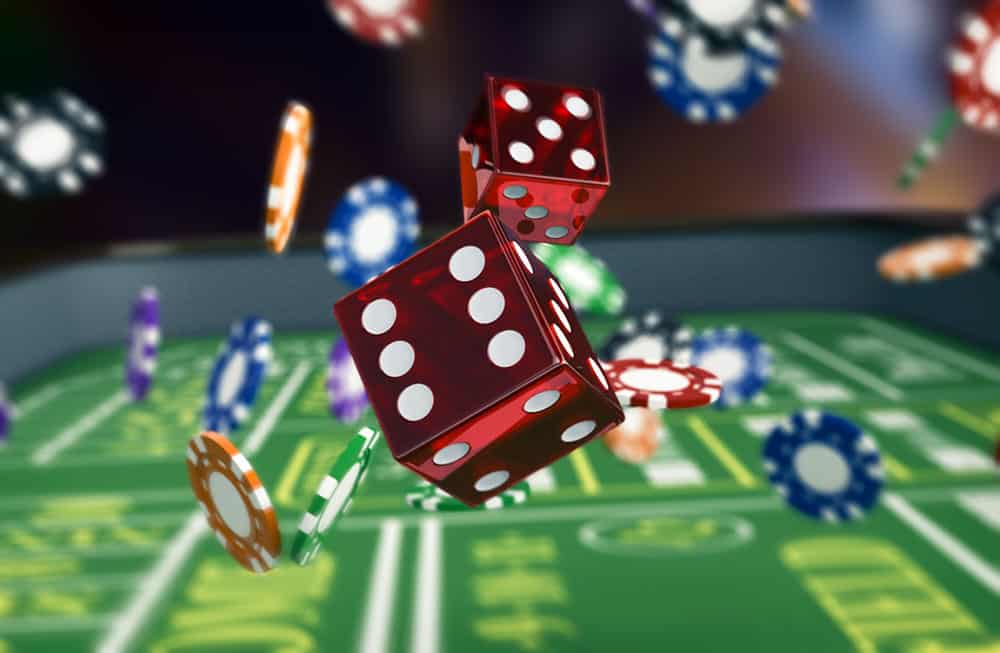
Beyond the immediate emotional responses associated with wins and losses, gambling can serve as an avenue for escapism. Many individuals resort to gambling as a coping mechanism for stress, anxiety, or other life challenges. The immersive nature of a casino environment allows them to temporarily detach from their worries, providing an illusory refuge where they can step into an alternate reality. However, this escape can be dangerous, as it often blurs the line between recreational enjoyment and addiction. The thrill of the gamble can become intertwined with a need to escape from personal problems, leading to a cycle of dependence.
The emotional complexities surrounding gambling highlight the importance of self-awareness regarding motivations and the potential repercussions of continued play. Developing healthier coping strategies, such as engaging in alternative leisure activities or seeking support from friends and family, can help mitigate the negative emotional impacts associated with gambling. This understanding enables individuals to enjoy the excitement responsibly while maintaining a balanced perspective on their gambling activities, ensuring that their engagement with gambling remains a source of enjoyment rather than a source of distress.
Understanding the online gambling landscape
The emergence of online gambling has revolutionized the gaming landscape, presenting both new opportunities and challenges for players. The convenience of accessing games from the comfort of home has led to a surge in participation, attracting a more diverse audience, including those who may not frequent traditional casinos. However, this shift raises significant concerns regarding the psychological implications of online gambling, particularly in relation to isolation and the potential for unchecked behaviors. The lack of face-to-face interaction can diminish the social aspects of gambling, leaving some individuals more susceptible to compulsive play.
Online gambling platforms utilize sophisticated algorithms and design strategies to keep players engaged. These sites often incorporate personalized features, such as tailored promotions and targeted notifications, to create a customized gaming experience that can lead to extended play sessions. While these strategies may appear attractive, they can exploit vulnerabilities in individuals who struggle with impulse control or are prone to addictive behaviors, necessitating a cautious approach to online gaming. The ease of access can sometimes lead to an increase in gambling frequency, as players may find it difficult to set limits when playing from home.
Moreover, the anonymity afforded by online gambling can exacerbate risks associated with excessive play. Gamblers may feel a diminished sense of accountability for their actions when playing anonymously, as opposed to in a more social casino environment. This disconnect can result in increased spending and a lack of awareness regarding the potential for gambling-related harm. Education about responsible gambling practices in the online sphere is essential for fostering safer gaming habits. By promoting awareness of the psychological impacts of online gambling, operators can help players maintain a healthier relationship with gaming activities and enhance overall player well-being.